Stroke
Facts | Types | Symptoms | Causes | Prevention | Treatment options
A stroke is essentially a heart attack in the brain and occurs when blood flow to the brain is cut off. Decreased blood flow and lack of oxygen can cause brain cells to die. Individuals with stroke symptoms should seek immediate emergency medical care to minimize their risk of serious disability or death.
Facts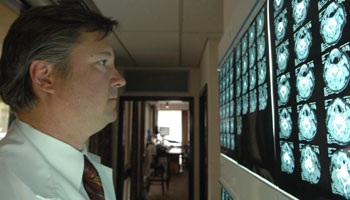
- Strokes are the nation's leading cause of disability and the third leading cause of death.
- The overall cost of stroke to the nation is $40 billion a year.
- According to a study by the University of Cincinnati College of Medicine, most people are not aware of the symptoms of stroke or the possible risk factors involved.
- Additional research by the same university reveals that the number of strokes in the United States is about 200,000 more than previously estimated. So instead of 500,000 strokes each year, it is more likely that there are around 700,000.
- Strokes are most common in people age 75 and older.
- Previous stroke victims have a high chance of experiencing a recurrent stroke that is often more disabling and deadly than the first.
Types of Strokes
Ischemic
Involves a blockage of a blood vessel in the brain or neck. Ischemic strokes account for 80 percent of all strokes and are usually not fatal. They include cerebral thrombosis, in which a clot forms in an artery in the brain or leading to the brain, and cerebral embolism, in which a clot forms in another part of the body and is carried to the brain.
Hemorrhagic
Involves a bleeding into the brain or the area surrounding the brain when a defective artery bursts.
Symptoms
- Numbness, weakness or paralysis in the face, arm or leg, especially on one side of the body
- Confusion or difficulty speaking
- Difficulty seeing in one or both eyes
- Dizziness
- Difficulty walking or loss of balance and coordination
- Sudden, severe headache with no known cause
- Nausea and/or vomiting
Many people aren’t aware that there are warning signs for strokes. One of the most common of these is a TIA (transient ischemic attack), or “mini-stroke.” A TIA occurs when there is a temporary interruption in blood flow to the brain. These strokes are short-lived but display the same symptoms as a regular stroke, only less severe. Medical attention should be sought for TIAs, as they can be indicative of an underlying problem.
Other warning signs to be aware of include sudden, severe headaches, aneurysms and small hemorrhages.
[top]
Causes
The following factors increase an individual’s risk of experiencing stroke:
- High blood pressure
- Cigarette smoking
- Heart disease
- Diabetes
- Arial fibrillation
- Family history of stroke
A blockage of a blood vessel is the most frequent cause of stroke and is responsible for about 80 percent of the approximately 700,000 strokes in the United States each year. Another condition that places someone at risk for a stroke is carotid stenosis. This occurs when there is a narrowing of the wall in the carotid artery. This artery travels up the neck and carries blood into the brain. If small clots block the artery, debris or fatty plaque, a stroke may occur.
[top]
Prevention
The best way to prevent strokes is to manage your risk factors: smoking cessation, treatment of high blood pressure, and control of blood sugar levels among persons with diabetes. Additionally, physicians may prescribe aspirin, warfarin, or ticlopidine for some individuals.
Click here to learn about ways to prevent stroke occurrences.
Treatment
When it comes to treating a stroke, timing is everything. It is crucial to treat a stroke as soon as possible. Every minute that passes decreases the chance for recovery. Brain cells cannot function long without just the right amount of blood flow. If treatment is not found quickly, these cells can die and possibly cause permanent brain damage. Neurosurgeons can treat strokes only by preventing (before it happens), responding to (immediately following a stroke) and intervening during (while it is happening) the stroke.
Methods used to treat stroke victims include drug therapy, imaging tests, treatments aimed at saving brain tissue and surgery. Blood thinners are often prescribed that help prevent clotting that can lead to stroke.
Depending on the location of and the damage caused by a stroke, many stroke victims can recover with physical or occupational therapy. Some lifestyle changes are also recommended such as eating right and exercising to prevent heart disease and high blood pressure, not smoking, controlling diabetes and taking anti-clotting medications such as aspirin.
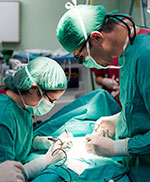
If an artery is over 70 percent blocked, surgery is recommended. This procedure might involve accessing the artery and widening it to scrape out the buildup in order to restore proper blood flow. Depending on the case, a surgeon may instead choose to insert a small, tube-shaped device called a stent that travels up the narrowing artery and is expanded to widen it.
Intracranial stenting
Intracranial stenting is used to treat intracranial stenosis. When blood vessels drastically narrow, blood flow to the brain is limited, which places someone at a high risk of stroke. Intracranial stenting is performed on patients who have not responded to nonsurgical treatments and who are at high risk for surgical bypass procedures.
A small, mesh tube (stent) is inserted into the blood vessel to enlarge it. The procedure involves minimal pain and usually provides immediate relief for patients.
[top]