Trauma
Causes | Symptoms | Treatment options | Disabilities
Causes
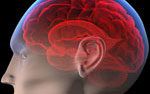
Traumatic brain injury (TBI), also called acquired brain injury, occurs when a sudden trauma causes damage to the brain. TBI can result when the head suddenly and violently hits an object or when an object pierces the skull and enters brain tissue.
Symptoms
Symptoms of a TBI can be mild, moderate or severe, depending on the extent of the damage to the brain. A person with a mild TBI may remain conscious or may experience a loss of consciousness for a few seconds or minutes. Other symptoms of mild TBI include headache, confusion, lightheadedness, dizziness, blurred vision or tired eyes, ringing in the ears, bad taste in the mouth, fatigue or lethargy, a change in sleep patterns, behavioral or mood changes, and trouble with memory, concentration, attention or thinking.
A person with a moderate or severe TBI may show these same
symptoms, but may also have a headache that gets worse or does not go
away, repeated vomiting or nausea, convulsions or seizures, an inability
to awaken from sleep, dilation of one or both pupils of the eyes, slurred
speech, weakness or numbness in the extremities, loss of coordination,
and increased confusion, restlessness or agitation. 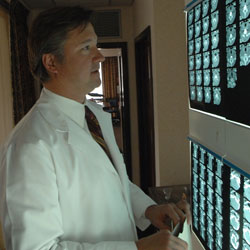
Treatment
Anyone with signs of moderate or severe TBI should receive medical attention as soon as possible. Treatment is mainly geared toward stabilization and preventing further injury. Primary concerns include insuring proper oxygen supply to the brain and the rest of the body, maintaining adequate blood flow, and controlling blood pressure.
Patients with mild to moderate injuries may receive skull and neck X-rays to check for bone fractures or spinal instability. For moderate to severe cases, the imaging test is a computed tomography (CT) scan. Moderately to severely injured patients receive rehabilitation that involves individually tailored treatment programs in the areas of physical therapy, occupational therapy, speech/language therapy, physiatry (physical medicine), psychology/psychiatry, and social support.
Approximately half of severely head-injured patients will need surgery.
[top]
Disabilties
Disabilities resulting from a TBI depend upon the severity of the injury, the location of the injury, and the age and general health of the individual. Some common disabilities include problems with cognition (thinking, memory, and reasoning), sensory processing (sight, hearing, touch, taste, and smell), communication (expression and understanding), and behavior or mental health (depression, anxiety, personality changes, aggression, acting out, and social inappropriateness). More serious head injuries may result in stupor, an unresponsive state, but one in which an individual can be aroused briefly by a strong stimulus, such as sharp pain; coma, a state in which an individual is totally unconscious, unresponsive, unaware, and unarousable; vegetative state, in which an individual is unconscious and unaware of his or her surroundings, but continues to have a sleep-wake cycle and periods of alertness; and a persistent vegetative state (PVS), in which an individual stays in a vegetative state for more than a month.
[top]